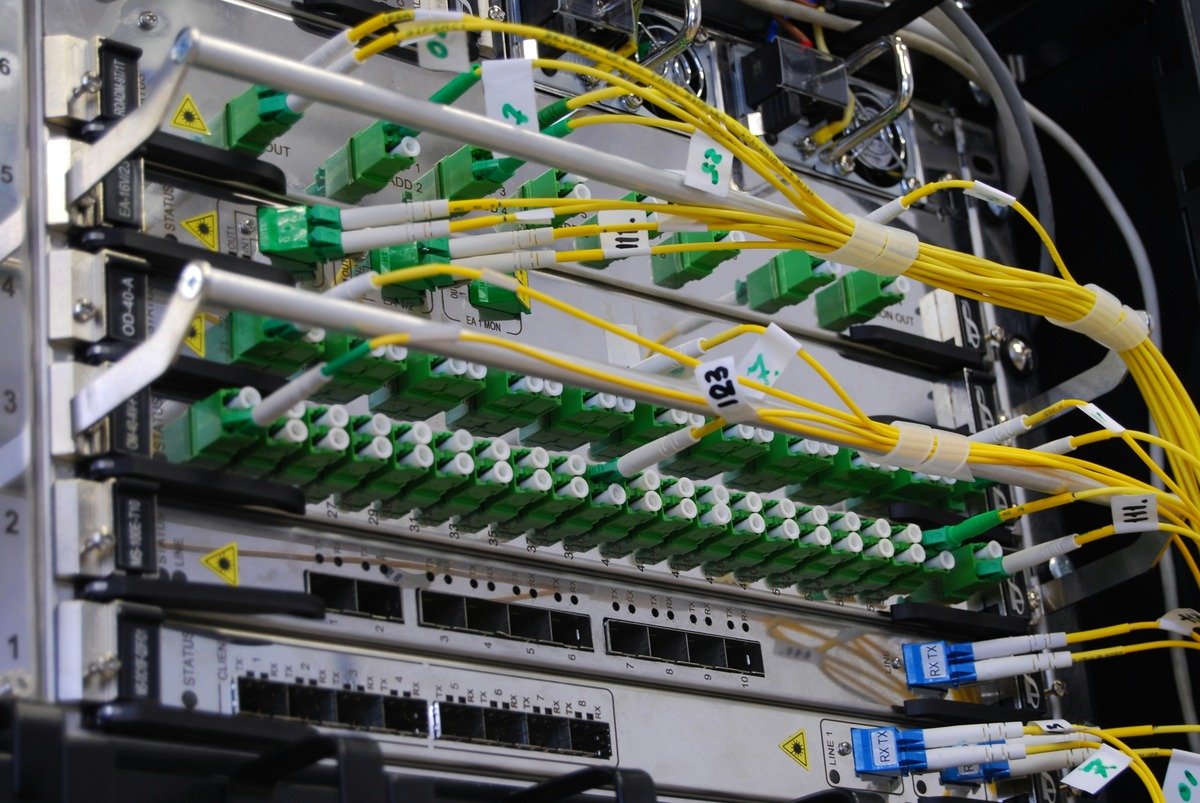
A Universal Standard for the Agentic Workflow

The fundamental challenge in modern AI architecture is context. As highlighted by industry experts in healthcare and enterprise IT, models are only as effective as the data they can reach. Previously, connecting a model to a secure database or a specific software suite required bespoke integration work. The Model Context Protocol changes this by providing a unified way for AI agents to discover and interact with external resources.
By creating a standardized interface, MCP removes the friction of proprietary silos. Instead of maintaining a complex library of different API formats, enterprise architects can now implement a single protocol that allows any MCP-compatible model to securely query data, execute code, or trigger workflows. This shift is critical for building reliable AI agents that can operate across diverse technical ecosystems without constant manual intervention.
MCP is the universal interface that ends the era of proprietary, one-off AI integrations, allowing for plug-and-play connectivity between models and tools.
Enterprise Adoption: From GTM to Observability

The practical utility of MCP is already being demonstrated across major enterprise sectors. In the world of Go-To-Market (GTM) strategies, platforms like People.ai are leveraging MCP to integrate revenue intelligence directly into AI workflows. This allows sales teams to harness complex relationship data and deal insights within their AI agents, streamlining everything from lead prioritization to forecasting.
Similarly, the observability space is seeing a transformation. New Relic has introduced AI agent platforms that utilize these standardized approaches to simplify enterprise observability. By moving toward no-code solutions grounded in standardized protocols, organizations can monitor their systems and troubleshoot issues using AI agents that don't require months of integration work. This democratizes access to sophisticated AI tools, allowing non-technical teams to deploy powerful automation with minimal overhead.
Real-world integrations by People.ai and New Relic prove that MCP is already accelerating AI deployment in revenue intelligence and IT observability.
The Power of Neutral Governance
A standard is only as strong as its community, and MCP recently achieved a major milestone in this regard. GitHub and the broader developer community have announced that MCP is joining the Linux Foundation. This move ensures that the protocol is governed by a neutral, non-profit entity rather than being controlled by a single tech giant. This is a vital step for fostering a competitive and open ecosystem where developers can build with confidence.
With the backing of the Linux Foundation, MCP is poised to become the bedrock of the next era of AI tools. For developers, this means the focus can shift from 'how do I connect this?' to 'what can I build with this?' The transition to open governance encourages cross-industry collaboration, ensuring that the protocol evolves to meet the needs of diverse sectors, from healthcare to high-finance, without the fear of vendor lock-in.
By joining the Linux Foundation, MCP has secured its future as an open, community-driven standard that avoids the pitfalls of vendor lock-in.
Wrapping Up
The Model Context Protocol is no longer just a technical proposal; it is a foundational shift in how we build and deploy artificial intelligence. By standardizing the way models interact with the world, MCP is clearing the path for the 'Agentic Era,' where AI can move beyond simple chat interfaces and into the realm of complex, cross-functional automation. As more enterprises adopt this standard and the Linux Foundation nurtures its growth, the dream of a truly interconnected AI ecosystem is finally becoming a reality. Now is the time for enterprise architects to evaluate their integration strategies and ensure they are building on a standard that is built to last.
Sources & References
- Model Context Protocol is the Connection AI is Missing in GTM — Demand Gen Report
- People.ai Brings Complete Revenue Intelligence to AI Workflows Through Model Context Protocol (MCP) Integration — Business Wire
- AI's model context protocol – everything you wanted to know but were afraid to ask — Healthcare IT News
- New Relic’s Revolutionary AI Agent Platform Transforms Enterprise Observability with No-Code Solutions — CryptoRank
- MCP joins the Linux Foundation: What this means for developers building the next era of AI tools and agents — The GitHub Blog