
The Certification Anchor in a Sea of Change
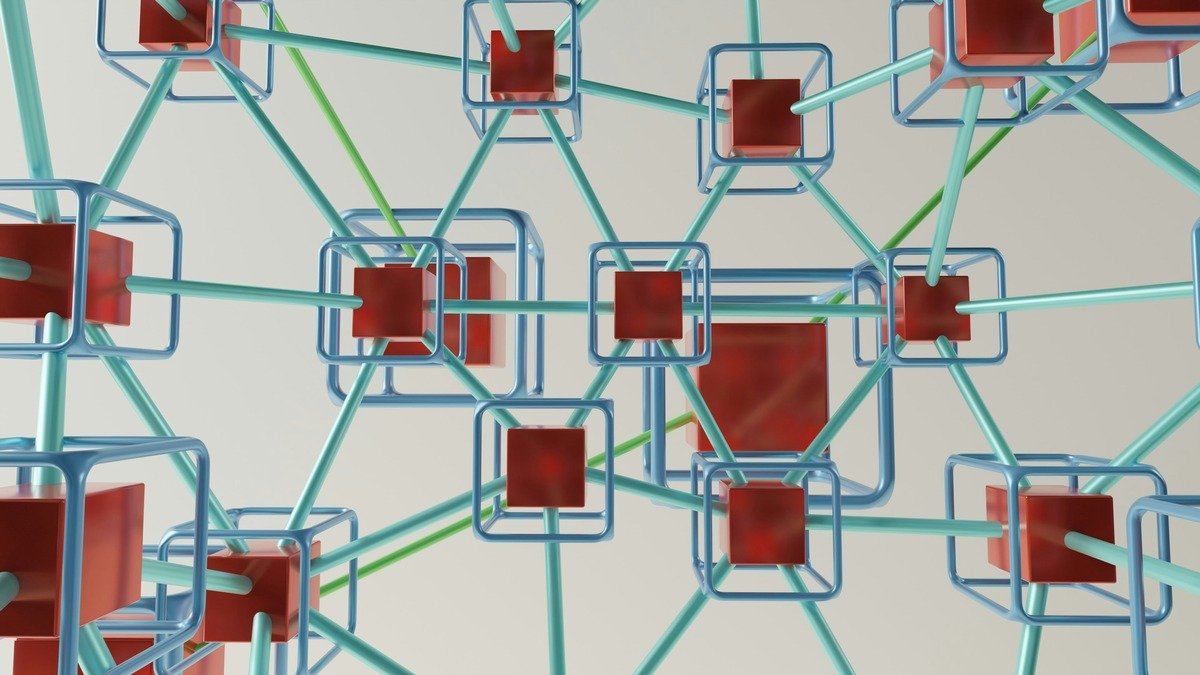
Despite the rapid pace of technological change, professional benchmarks remain remarkably steady. According to recent industry analysis by CIO.com, TOGAF continues to rank among the top 14 certifications for enterprise architects, signaling that the market still values a standardized vocabulary and a common methodology. While the tools we use—like GenAI and RAG—are changing, the need for a shared language to describe business capabilities, data architectures, and technology stacks remains a prerequisite for any large-scale digital transformation.
However, the value of these certifications is increasingly tied to how they are applied within modern digital transformation strategies. As Workday points out, enterprise architects are no longer just focused on maintaining the 'current state'; they are now the primary drivers of agility. The framework provides the structural integrity needed to ensure that when an organization adopts a new AI capability, it doesn't create a fragmented silo that is impossible to manage or scale across the wider enterprise.
TOGAF remains a vital professional standard because it provides the common language required to integrate disruptive AI technologies into a coherent business strategy.
From Microservices to Autonomous AI Agents
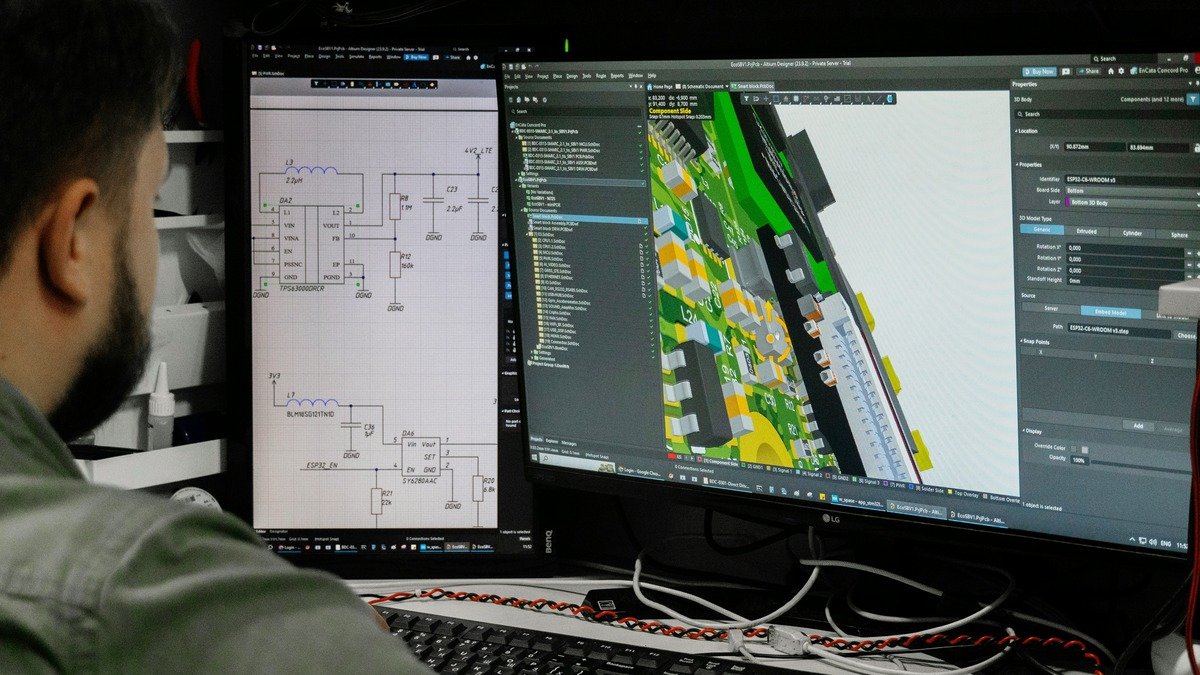
The architectural landscape is undergoing a fundamental shift. IBM research highlights a clear evolution from traditional microservices toward the deployment of AI agents. These agents are not just static pieces of code; they are dynamic entities capable of reasoning and executing tasks with a degree of autonomy. This shift necessitates a rethink of the Enterprise Architecture Framework 2025. Traditional TOGAF models often assumed a slower pace of change, but the new 'agentic' architecture requires frameworks that can support continuous integration and real-time data flow.
As we move into this new era, the enterprise architect’s job is to design the 'environment' in which these agents operate. This involves defining the guardrails for how agents interact with legacy systems and ensuring that the data flow—often powered by RAG—is both secure and accurate. The principles of the TOGAF Architecture Development Method (ADM) can still guide this process, but the phases must be executed with much higher frequency to match the development cycles of AI-driven applications.
The move toward AI agents requires enterprise architecture to focus on creating robust environments for autonomous systems rather than just static service endpoints.
Modernizing EA with Generative AI and RAG

The modernization of enterprise architecture is not just about what we build, but how we build it. O'Reilly Media identifies a growing trend in using Generative AI and RAG specifically to modernize the EA practice itself. By applying AI to the vast documentation typically associated with TOGAF, architects can gain instant insights into their current technical debt and identify opportunities for optimization that were previously buried in thousands of pages of diagrams and spreadsheets.
This 'AI-enhanced EA' allows for rapid prototyping and continuous architecture. Instead of waiting months for a completed blueprint, architects can use AI to generate multiple scenarios and test their impact on the existing ecosystem in real-time. This capability bridges the gap between the structured governance of TOGAF and the 'fail-fast' mentality of modern software development, making the framework more relevant to contemporary engineering teams.
Generative AI is transforming enterprise architecture from a documentation-heavy chore into a high-speed strategic simulation tool.
Bridging the Governance and Innovation Gap
One of the most significant challenges in the age of AI is the 'governance gap.' As noted by the IEEE Computer Society, the tension between rapid innovation and risk management is at an all-time high. AI brings unique risks—hallucinations, data privacy concerns, and unpredictable model behavior—that traditional IT governance may not be equipped to handle. This is where TOGAF's relevance modern architecture shines: its governance modules provide a tested scaffolding for managing risk.
By integrating AI-specific risk assessments into the TOGAF governance framework, organizations can innovate with confidence. The framework ensures that AI initiatives are not just 'science projects' but are aligned with the enterprise's long-term goals and regulatory requirements. In 2025, the most successful enterprise architects will be those who use TOGAF to build a bridge between the innovative potential of AI and the necessary oversight of a mature organization.
TOGAF provides the necessary governance scaffolding to manage the unique risks and compliance requirements of enterprise-scale AI implementation.
Wrapping Up
Is TOGAF still relevant? The evidence suggests that while the practice must adapt, the core principles of alignment, governance, and structured planning are more critical than ever. In an age where AI agents can build and deploy applications in minutes, the enterprise architect serves as the essential human link that ensures these technologies deliver genuine business value. By blending the rigor of TOGAF with the speed of GenAI, organizations can build architectures that are not only innovative but also resilient and scalable. The future of enterprise architecture isn't a choice between frameworks and AI—it’s the strategic fusion of both.
Sources & References
- Top 14 certifications for enterprise architects — cio.com
- Digital Transformation Strategies for Enterprise Architects — Workday Blog
- Enterprise Architecture Modernization with Generative AI, RAG, and Agents — O'Reilly Media
- From microservices to AI agents: The evolution of application architecture — IBM
- Bridging the Governance Gap: AI, Risk, and Enterprise Innovation — IEEE Computer Society